
Florence To Assisi Tour
Pilgrimage Guide

Florence to Assisi Pilgrimage

The path from Florence to the hilltop basilica of Saint Francis crosses two regions, multiple terrain types, and centuries of devotional history. This guide covers route planning, stage distances, Basilica access, and the practical realities of walking or organizing transport between Tuscany and Umbria.

8 min read Updated 2026-08-24 Fact-checked
Florence to Assisi Pilgrimage

Quick answer

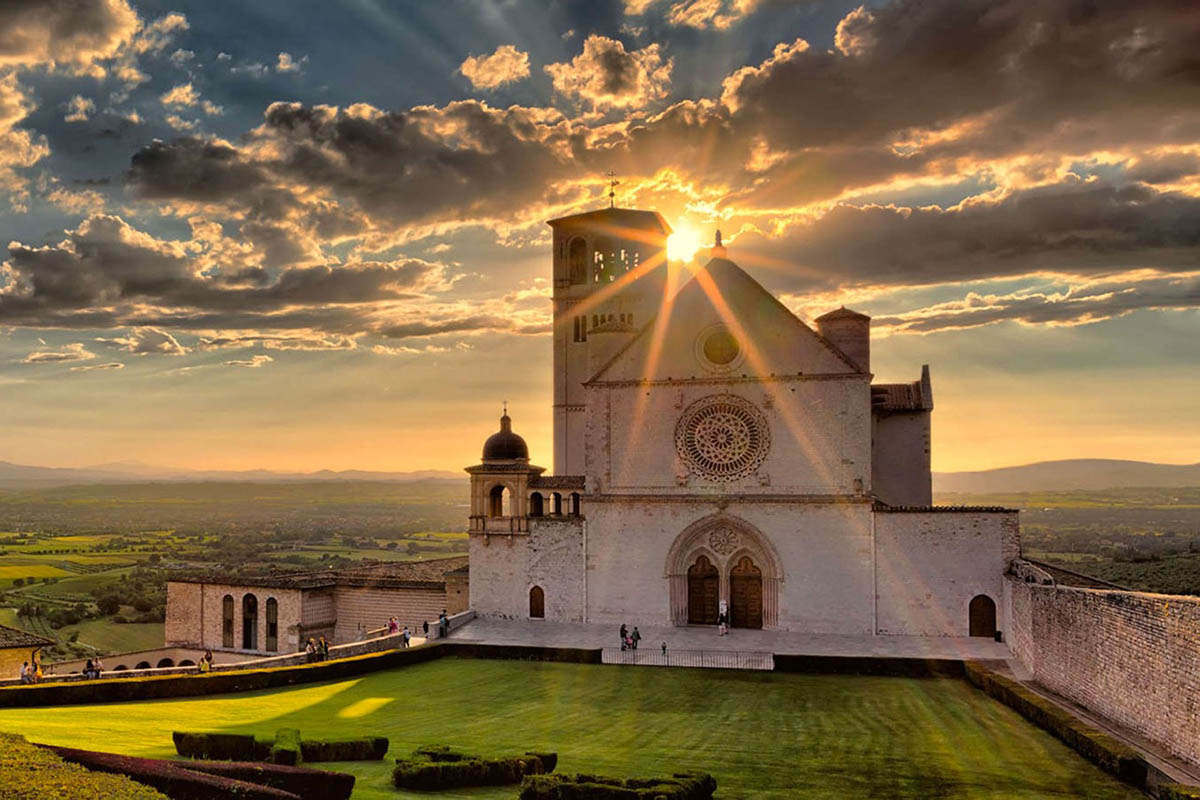
The florence to assisi pilgrimage typically spans 160–180 kilometers depending on route choice, completed in 7–10 walking stages or abbreviated via regional rail and bus connections. The Basilica of San Francesco in Assisi—the journey's spiritual endpoint—opens daily from 06:00 to 18:00 with free entry, though donations support preservation. Most pilgrims arrive early morning to avoid crowds and summer heat, especially between June and September.

Fewer than half the pilgrims who set out from Florence on foot complete the journey without splitting at least one stage by train. The Apennine terrain between the Arno and the Tiber valley demands sustained climbing, and summer temperatures in the Val di Chiana frequently exceed 32°C by mid-afternoon. Those who walk the full florence to assisi pilgrimage route typically budget eight days, resting in Pontassieve, Consuma, Bibbiena, Sansepolcro, Città di Castello, Umbertide, and Perugia before the final descent into Assisi. The path itself is not a single marked trail but a composite of historical variants. The Via Romea di Stade enters Umbria near Sansepolcro and continues southeast; the older Franciscan route diverges after Arezzo, tracing the upper Tiber through quieter hill towns. Both converge near Perugia, where the basilica becomes visible on clear days from the belvedere above Porta San Pietro. Signing is inconsistent—white-and-red blazes appear sporadically, and some stages rely entirely on asphalt roads shared with agricultural traffic. Pilgrims carrying credential stamps will find parish offices in most overnight stops, though not all are staffed daily outside Easter and October. The Basilica of San Francesco anchors the route both spiritually and logistically. Its lower church holds the crypt of the saint; the upper church preserves Giotto's frescoes of the Franciscan cycle. Both levels remain open throughout the day, and the cloister provides access to a small museum of relics and illuminated manuscripts. Mass is celebrated multiple times daily in Italian and, on Sundays, in English. Pilgrims arriving on foot receive no formal recognition beyond the hospitality of the Sacro Convento's welcome office, located just south of the basilica's main entrance on Piazza San Francesco. Transport alternatives shorten the journey considerably. Trenitalia runs hourly service from Florence to Perugia via Arezzo and Terontola, with a bus connection from Perugia's Piazza Partigiani to Assisi in thirty minutes. The combined travel time is under three hours, and ticket costs remain below twenty euros. Pilgrims who walk selected stages—Sansepolcro to Città di Castello, or the final stretch from Perugia—preserve the devotional rhythm without the full physical commitment. Weather permitting, the best walking season runs from late April through early June, when wildflowers cover the Val Tiberina and afternoon storms are less frequent than in high summer.

“The path is not a single marked trail but a composite of historical variants, and some stages rely entirely on asphalt roads shared with agricultural traffic.”
Timing

Best Time of Day for the Florence to Assisi Pilgrimage

The optimal period for a pilgrimage from Florence to Assisi occurs during the shoulder seasons of spring and autumn, while the ideal arrival window is 06:30–10:00. This early timeframe allows visitors to experience the site before peak pilgrimage crowds arrive and before the intense afternoon heat sets in.

Spring (April–May)

Moderate crowds

Mild, 15°C–22°C. Pleasant for walking and outdoor reflection.

April and May offer temperate weather and lower humidity levels.

Autumn (September–October)

Moderate crowds

Cooler, 14°C–21°C. Crisp air for traveling.

October is particularly quiet as the peak summer travel season concludes.

Weekday Mornings

Low crowds

Arriving between 06:30–10:00 ensures a reflective experience by avoiding midday congestion.

Verdict: The best time for a visit is Tuesday to Thursday during the months of April or October, arriving promptly within the 06:30–10:00 window.

Directions

Transportation Options for Your Florence to Assisi Pilgrimage

Assisi is located in the Umbria region, accessible from Florence via the regional rail network or by driving through the Tuscan and Umbrian countryside. Most travelers utilize the train service with a connection in Perugia or travel by car via the E45 highway.

Train 2.5 to 3 hours

Trenitalia regional service from Firenze Santa Maria Novella to Assisi (via Perugia)

Car 2 hours

E45 highway (E78/SS3bis) from Florence via Perugia

Taxi 2 hours

Private hire from Florence city center to Piazza San Francesco

If arriving by train, the Assisi station is located in the valley; you must take a local bus or taxi to reach the historic center at Piazza San Francesco, 2, 06081 Assisi PG, Italy.

Opening hours

Opening Hours for the Florence to Assisi Pilgrimage Destination

The Basilica di San Francesco in Assisi welcomes visitors daily throughout the week.

Monday
06:00–18:00
Tuesday
06:00–18:00
Wednesday
06:00–18:00
Thursday
06:00–18:00
Friday
06:00–18:00
Saturday
06:00–18:00
Sunday
06:00–18:00
The Basilica remains open until 18:00 daily for those concluding their pilgrimage or visit.
Prices

Entrance Fee for the Florence to Assisi Pilgrimage Site

Entry to the Basilica of Saint Francis is provided at no cost to all visitors. Expenses related to a pilgrimage are limited to optional contributions or supplemental services.

General Admission No entry fee for the Basilica
0 EUR
Voluntary Donation Optional contribution to support the site
Variable
Audio Guide Paid options available for guided navigation
Variable
The Basilica is open to the public without an entrance fee.

Verdict: A typical adult pays 0 EUR for entry, though voluntary donations or audio guides may be selected to enhance the visit.

Nearby

Combining Perugia with Your Florence to Assisi Pilgrimage

Perugia serves as a natural stop when traveling between Florence and Assisi, offering a distinct cultural contrast to the meditative atmosphere of the Franciscan sites. Its historical depth and artistic heritage complement a broader exploration of the Umbrian region.

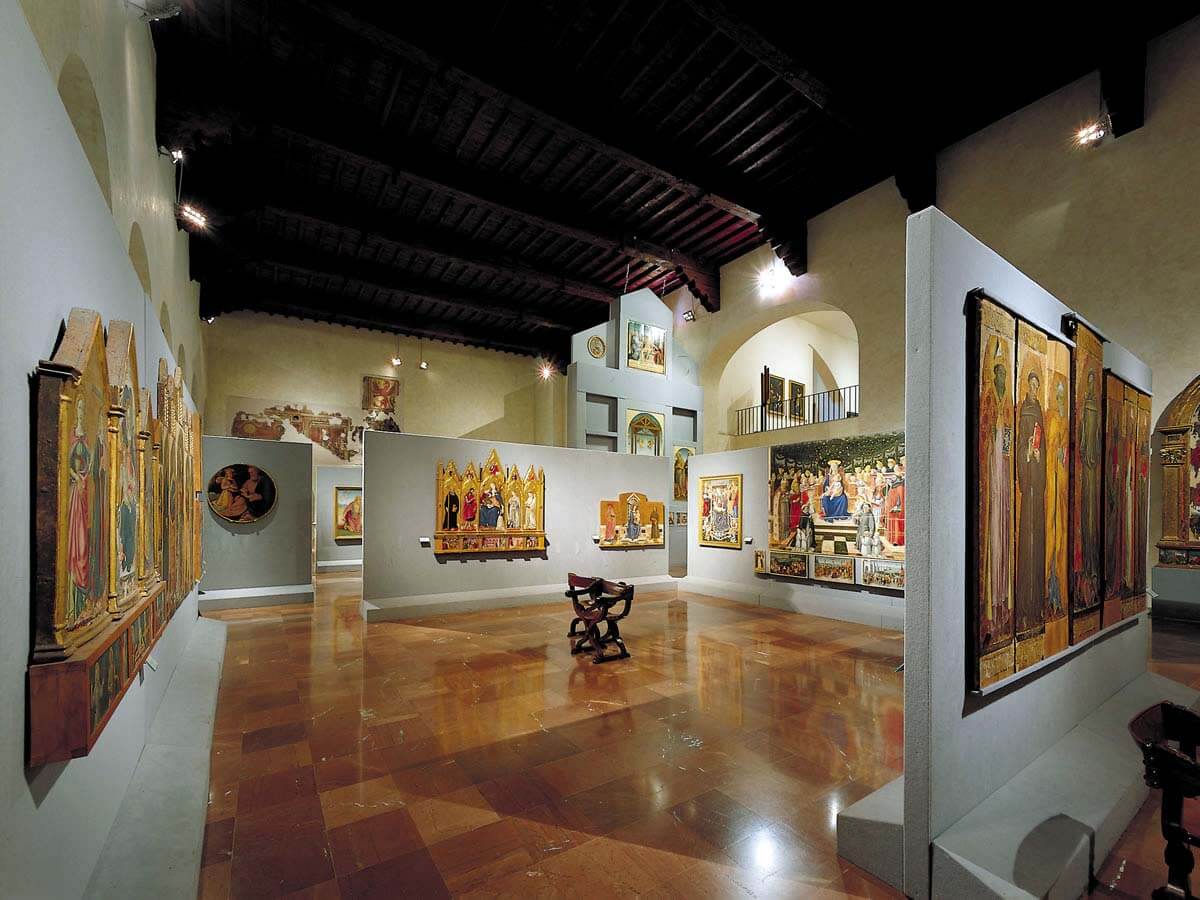
Galleria Nazionale dell'Umbria

Galleria Nazionale dell'Umbria

25 km from Assisi

Located in the Palazzo dei Priori, this gallery houses significant works of Umbrian painting that provide historical context to the religious art found in Assisi. It allows visitors to see the evolution of Italian art during the same period as the Basilica's development.
Basilica of San Pietro

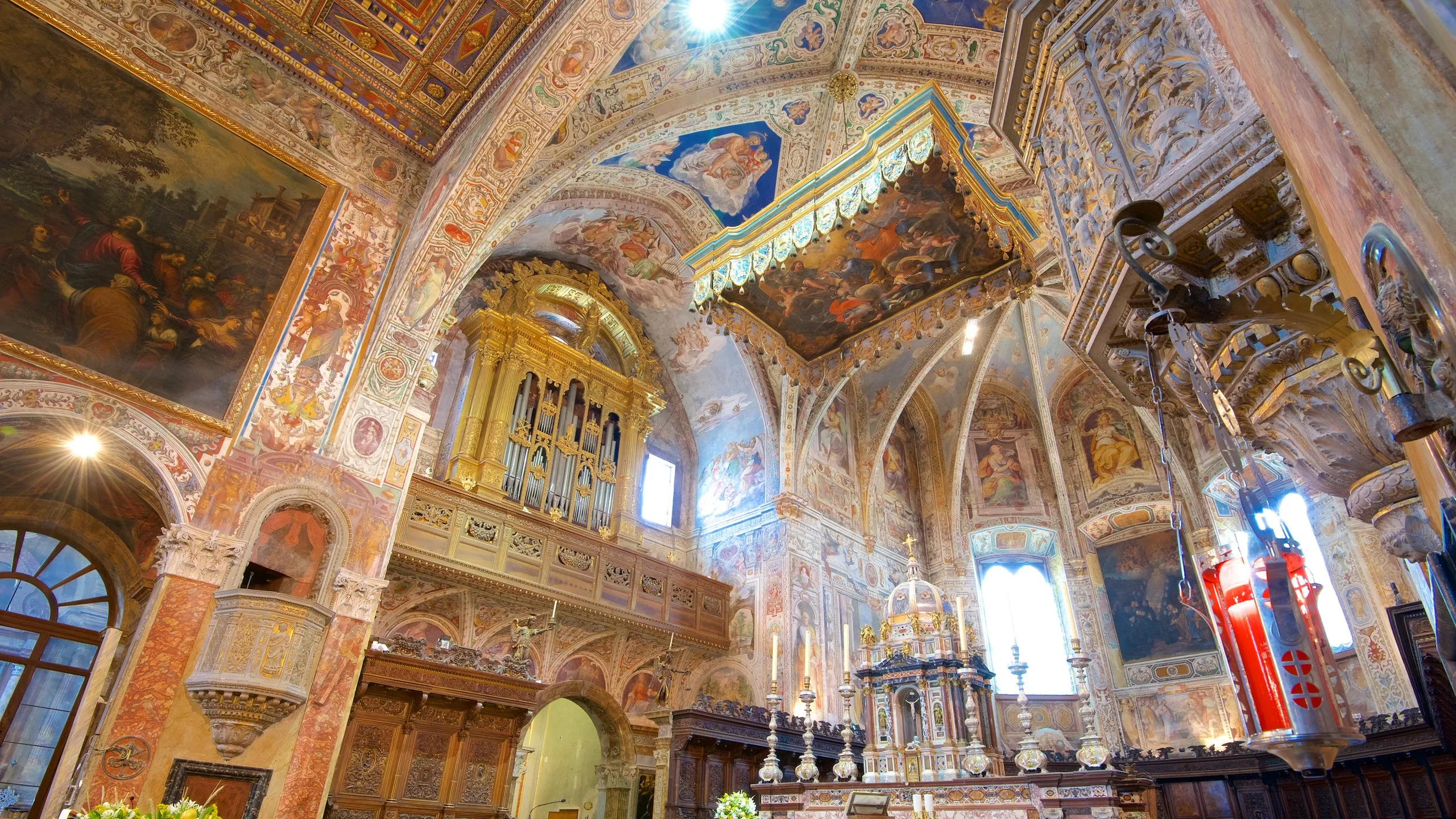
Basilica of San Pietro

28 km from Assisi

This church in Perugia features notable wooden choir stalls and paintings, continuing the theme of monastic architecture and religious reflection. It serves as an alternative stop for those interested in the Benedictine influence in the region.

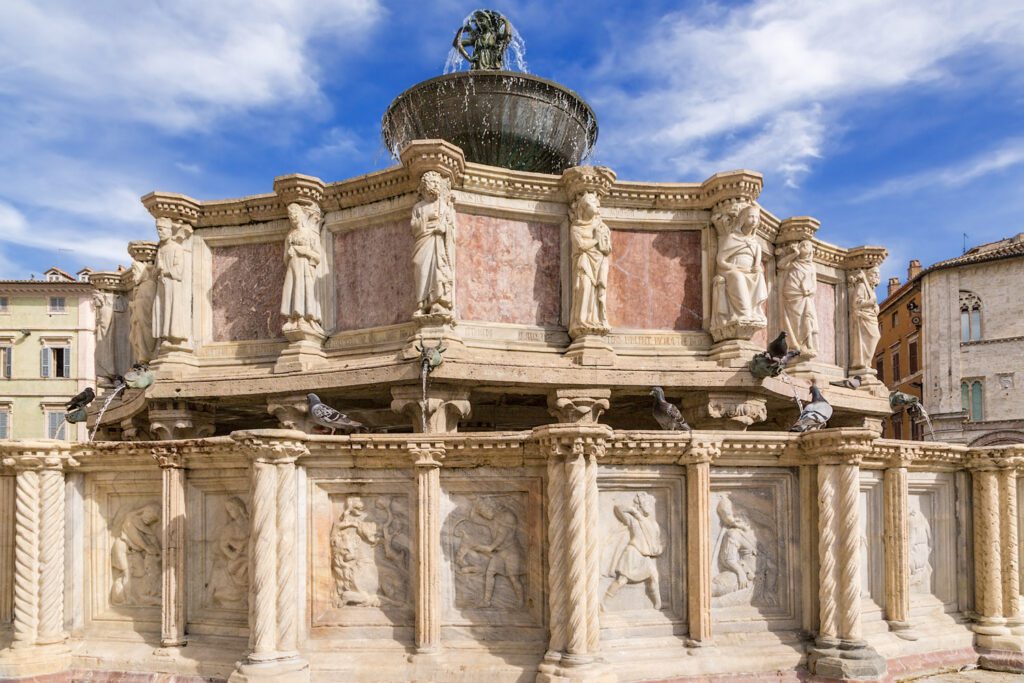
Fontana Maggiore

Fontana Maggiore

26 km from Assisi

Situated in the central square of Perugia, this 13th-century fountain is a masterpiece of medieval sculpture. Its proximity to other historical civic buildings makes it an efficient point of interest when moving through the city center.

Checklist

Checklist for a Florence to Assisi Pilgrimage

Prepare for both the physical route and the sacred sites with these practical steps.

Book

Check availability

Frequently asked

Frequently asked questions about florence to assisi pilgrimage

Everything you need to know about florence to assisi pilgrimage

How do I start my florence to assisi pilgrimage?

Travelers typically utilize train or private transport to reach Assisi from Florence to begin their journey. Dedicated routes allow for a smooth transition between these two cultural hubs in central Italy.

What is the best time for a florence to assisi pilgrimage?

The best arrival window for your visit is 06:30–10:00 to avoid mid-day pilgrimage crowds and intense afternoon heat. Planning your schedule around these hours ensures a more reflective experience at the various religious landmarks.

Is there an entrance fee for the Basilica of Saint Francis?

Entrance to the Basilica of Saint Francis is 0 EUR. While there is no cost for entry, voluntary donations are welcomed and paid audio guides are available if you wish to learn more about the frescoes and architecture.

How much time should I allocate for a florence to assisi pilgrimage?

Most visitors find that a full day allows enough time to experience the town and the major monastic sites. Whether you are traveling for spiritual reasons or to enjoy the Umbrian scenery, allowing for a relaxed pace is recommended.

Can I include Perugia during my florence to assisi pilgrimage?

Perugia is located between Florence and Assisi, making it a natural stop for those exploring the region. Many visitors combine these locations to experience both the Etruscan history of the city and the Franciscan heritage of the nearby hillside town.

Are there many steps to access the basilica grounds?

The site requires navigation of 2 steps for access. Please consider this when planning your visit, especially if you have mobility concerns or are traveling with heavy luggage.

What should I know before visiting the Assisi holy sites?

It is useful to dress modestly as the basilica is an active site of worship and reflection. You should also check the official site for any liturgical calendar updates to ensure you are aware of potential service closures.

Keep reading

More guides & pages